How to hold a solo base next to Oil Rig in Rust and turn a wipe-day snowball into a full wipe
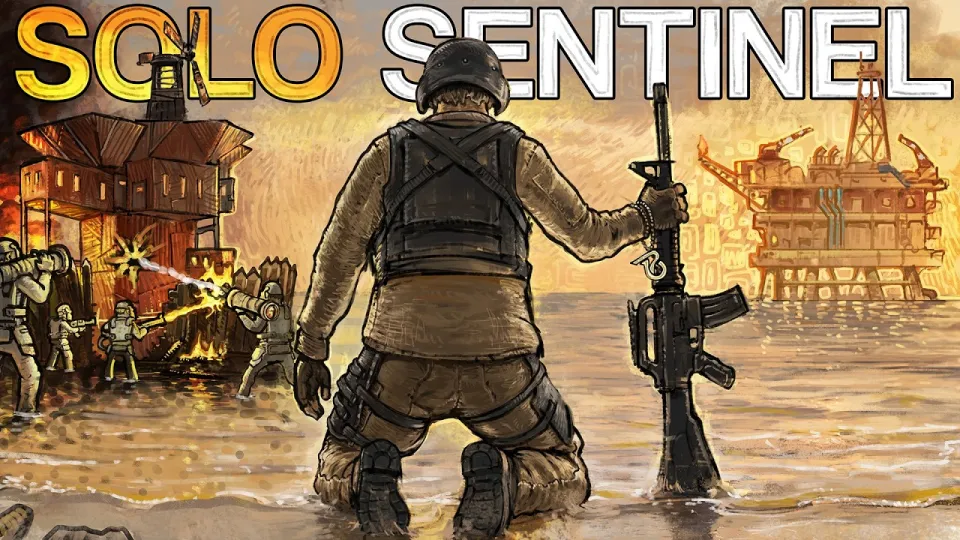
Video: The Solo Sentinel - Rust
Want articles like this for your own video to promote it on YouTube and Google? Order them through the Telegram bot @sat_sit_bot. The bot writes and publishes the articles itself (with your YouTube video embedded) on popular topical websites (no ads). Free trial — 50 articles.
· based on the channel Blooprint
To hold your ground as a solo in Rust, build a compact, cheap-to-upgrade base within sight of Oil Rig, snowball your first fights on wipe day, and treat defence as a system of turrets, doors and angles rather than a last stand. The Oil Rig position gives you a steady stream of fights, a short trip to a high-tier monument and a place where groups arrive in predictable ways. Blooprint's run in The Solo Sentinel is a full demonstration of that approach, and you can follow his live attempts on his Twitch channel where the same strategies get tested on fresh wipes.
Why a solo base next to Oil Rig works in Rust
Oil Rig is one of the most contested monuments in Rust, and living next to it converts that contest into an advantage for a solo player. Groups travel to the rig in boats and often arrive tired, loaded with loot and focused on the monument rather than on the shoreline. A solo who owns the coast can pick fights, retreat to a nearby base and re-engage with fresh gear while the attackers are still on the water.
The trade-off is constant pressure. A base near Oil Rig is visible, reachable by boat and worth raiding, so the design has to survive without a team to man it. The practical answer is a small footprint with thick walls, a compact loot room and turrets covering the approaches that matter. The smaller the base, the cheaper it is to upgrade to sheet metal and armored, and the less loot a raider gets per rocket.
The wipe-day snowball that makes a solo run possible
A solo wipe lives or dies in the first few hours, when everyone is still on bows, crossbows and primitive gear. The goal is not to win every fight but to convert each small win into a better weapon, a better tool or a blueprint, so the next fight is easier than the last. On a fresh wipe, a single successful defence against a geared player can hand a solo a full kit that would otherwise take hours to farm.
Key elements of that snowball in Rust:
- Spawn near the target monument and secure a sleeping bag close to the build spot before anything else.
- Farm just enough for a starter base and a furnace, then move to contested areas while other players are still primitive.
- Take fights near your own respawn, never far from a bag you can wake up at.
- Recycle duplicates and use the scrap for blueprints and workbench progression instead of hoarding gear you cannot replace.
- Keep a spare kit in a hidden stash so one bad fight does not end the wipe.
Base defence against a larger group
Defending a solo base in Rust is about time, not about winning a straight gunfight. Every layer an attacker has to break gives the defender another chance to shoot from a new angle, repair, or move loot to a secondary stash. Turrets are the backbone of that plan: they force attackers to deal with a threat that never misses and never sleeps, and they buy the seconds needed to reposition.
Practical defence measures that apply to any solo build:
- Place turrets so they cover the approach and the breach point, not just the front door, and keep them behind a wall the attackers must break first.
- Use several doors of different types in sequence so raiders must spend extra explosives per meter of progress.
- Keep the main loot room small and separate from the crafting area; a workbench room is a cheap decoy.
- Store a fallback kit and some materials outside the base so you can rebuild after a successful raid.
- Watch the raid from an unexpected position, such as a neighbouring rock or a second small structure, rather than from inside the loot room.
What solo play demands that group play does not
Solo Rust removes the safety net of teammates, and that changes every decision from base placement to fight selection. There is no one to cover a retreat, no one to craft while you farm and no one to watch the door while you sleep. In exchange, the solo player keeps full control of information, timing and loot, and every win is entirely their own.
The audience response to this style is consistent: viewers describe solo videos as more engaging than fast progression to tier two and tier three gear in a large group, because the struggle and the decision-making are visible. A solo run also forces the player to explain their thinking out loud, which makes the content easier to follow for people who do not play Rust at a high level.
Typical questions from players trying the same strategy
Players who watch a solo hold a base near a major monument usually ask the same things: how to deal with a raid at three in the morning, how to keep a base hidden when it sits on a coastline, and whether a solo can ever beat a group that brings rockets. The honest answers come down to preparation and expectations. A solo does not need to save every base; the goal is to make the raid expensive, keep a backup, and stay in the wipe.
Another common theme is the social side of solo Rust. Random encounters, temporary alliances and neighbours who turn into enemies are part of the appeal, and many viewers say these improvised interactions are their favourite moments in the genre. A solo base near Oil Rig generates plenty of them, because the same groups keep coming back.
All Blooprint links from the video
- Twitch: https://www.twitch.tv/blooprint
- Kick: https://kick.com/blooprint
- TikTok: https://www.tiktok.com/@blooprintgames
- Twitter: https://twitter.com/blooprintgames
- Discord: https://discord.gg/blooprint
Final thoughts on the solo sentinel approach
Holding ground as a solo in Rust is a discipline built on position, preparation and patience rather than raw aim. A base next to Oil Rig gives a solo player a reliable source of fights and loot, while turrets, layered doors and a hidden fallback kit make the base expensive enough that most groups move on. The Solo Sentinel, broken down by Blooprint on his channel, shows both sides of that equation: the snowball that comes from a fast start and the defence that decides whether the wipe continues. If you want to see the strategy tested live, follow Blooprint on Twitch and watch the next wipe from the first minute.
Key takeaways
- Blooprint's solo run is built around a base placed directly next to the Oil Rig monument, so every fight happens on his terms or near his respawn.
- The run starts on a fresh wipe, where a fast start and early snowball decide whether a solo can compete with groups.
- Base defence is the core skill: turrets, upgraded walls and layered doors buy the time a solo needs to fight back.
- Solo content lets the creator narrate every decision, which is why viewers ask for more of it over team-based series.
- The full story is documented in the Blooprint video The Solo Sentinel, published on 13 July 2026.
Questions & answers
Is it worth building a solo base right next to Oil Rig in Rust?
It can be, as long as the base is small, cheap to upgrade and protected by turrets. The location guarantees frequent fights and quick access to a high-tier monument, but it also attracts raiders, so you should keep a fallback stash and expect to defend regularly.
How does a solo player defend against a group with rockets?
You do not try to win the direct fight. Layer doors, place turrets behind walls the attackers must break, keep the loot room small and separate, and shoot from an unexpected angle while they spend explosives. The aim is to make the raid expensive enough that the group gives up.
Why do viewers prefer solo Rust content over group series?
Solo videos let the creator narrate every decision directly to the audience, which makes the gameplay easier to follow. The progression is slower and more relatable, and improvised encounters with random players often produce the most memorable moments.
What should a solo player do in the first hours of a fresh wipe?
Secure a sleeping bag near the target monument, farm a minimal starter base, then take fights close to your respawn while other players are still on primitive gear. Convert each win into better gear and blueprints, and stash a spare kit so a single loss does not end the wipe.
Source: The Solo Sentinel - Rust · Markdown version